


- Emergency Planning
Emergency Planning
An emergency is any event or situation that threatens serious damage to human welfare, the environment or security. While Broxtowe is generally a safe place to live, incidents such as flooding, severe weather or major utility failures can and do occur.
Emergency Planning is about:
- Reducing risks where possible
- Preparing for emergencies
- Responding effectively when incidents happen
- Supporting recovery afterwards
Broxtowe Borough Council works closely with emergency services, Nottinghamshire County Council and other partner organisations through the Local Resilience Forum (LRF) to plan for a wide range of potential incidents.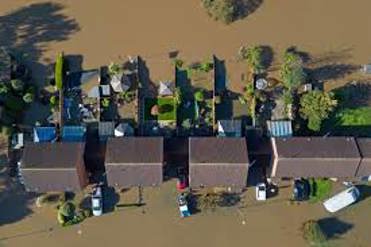
This page explains:
- The types of emergencies that could affect Broxtowe
- How you can prepare
- What to do during and after an emergency
- What the Council and its partners do to support communities
Types of Emergencies Covered
Emergency planning in Broxtowe covers a wide range of incidents that could affect people, property or services. These include:
- Flooding - From rivers, surface water or groundwater
- Severe weather - Storms, heavy rain, snow, ice, heatwaves and high winds
- Industrial and transport incidents - Including hazardous material releases or major accidents
- Public health emergencies - Such as pandemics or significant disease outbreaks
- Utility failures - Loss of electricity, gas, water or telecommunications
- Infrastructure disruption - Including transport or fuel supply issues
Information about local risks is published in the Nottingham and Nottinghamshire Community Risk Register, which is reviewed regularly Nottinghamshire Local Resilience Forum (LRF) | Nottinghamshire Police(Opens in a New Window)
Preparing for an Emergency
Being prepared can reduce the impact of an emergency on you and your household. Here's what you can do now to prepare:
Prepare an emergency kit
- This could include:
- Torch and spare batteries
- Battery or wind-up radio
- First aid supplies
- Medication
- Bottled water
- Warm clothing and blankets
- Important documents
Create a household emergency plan:
- Agree how you will contact each other
- Identify a safe meeting place
- Plan for children, elderly relatives and pets
Protect your property
- Know how to turn off gas, electricity and water
- Check flood risk and consider property-level protection
- Keep gutters and drains clear
What to do in an Emergency
If an emergency happens, your safety is the priority.
General advice
- Stay calm
- Follow advice from emergency services and local authorities
- Use trusted sources for information
- Avoid unnecessary travel
When to call emergency services
Call 999 if there is an immediate risk to life or serious injury.
For non-emergency issues, use 111, local authority contacts, or utility provider helplines where appropriate.
If you are told to evacuate:
- Take essential items only
- Lock doors and windows if safe to do so
- Follow instructions about where to go
Never put yourself at risk to protect property.
After and Emergency
Recovery can take time, and support may be needed even after the immediate danger has passed.
Returning home
- Only return when authorities say it is safe
- Check for structural damage
- Avoid floodwater, which may be contaminated
Insurance and damage
- Contact your insurance provider as soon as possible
- Take photos of damage if safe to do so
- Keep records of any costs
Health and wellbeing
Emergencies can be stressful. Support is available through:
- NHS services
- Community and voluntary organisations
- Local support networks
Broxtowe Borough Council works with partners to support community recovery where needed.
Council Response and Responsibilities 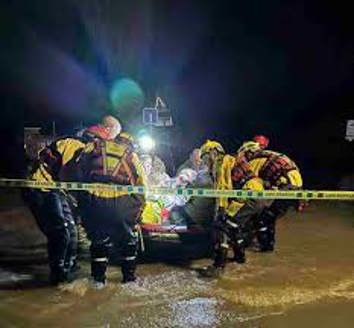
Broxtowe Borough Council has plans in place to respond to emergencies affecting the Borough.
During an emergency, the Council may:
- Support emergency services
- Assist vulnerable residents
- Help manage temporary accommodation
- Provide information to the public
- Support environmental health and housing functions
The Council works closely with:
- Nottinghamshire County Council
- Emergency services
- Environment Agency
- Health services
- Voluntary and community organisations
Major incidents are coordinated through the Local Resilience Forum (LRF) to ensure a joined-up response.